Best Time to Visit the Cyclades Islands: Complete Month-by-Month Guide
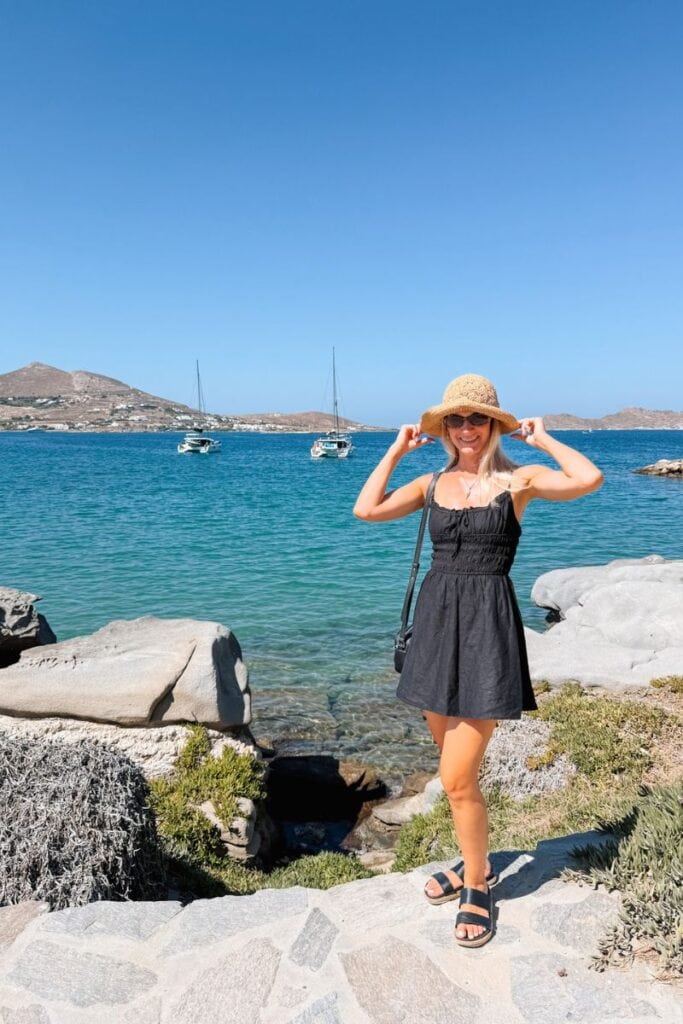
If you’re wondering when the best time is to visit the Cyclades, I’ll break it all down for you here!
Overall, the best time to visit the Cyclades islands is late April through early June and September through early October. These shoulder seasons offer the perfect balance of Mediterranean warmth, enough accommodation availability, fully open restaurants and bars, reliable ferry connections and most importantly, a significantly lower amount of cruise ship crowds compared to July and August.
That said, the Cyclades are a diverse group of islands. What’s ideal for Santorini (famous caldera sunsets, couples’ celebrations/honeymoons) isn’t the same as Paros (whitewashed villages, casual beach clubs, younger travellers) or Milos (secluded beaches, nature lovers).
The “best” time depends entirely on which islands you’re prioritizing and what kind of experience matters most to you.
If you’re visiting for peak summer beach weather and nightlife, July-August definitely delivers, but expect to pay 2-3x higher prices, navigate larger crowds and book accommodation months in advance. If you prefer relaxed meals by the water, restaurants without queues, genuine interactions with locals and beaches where you can actually find a sun bed, the shoulder seasons are vastly superior! You’ll also discover that the sea temperature is perfectly swimmable from June onward and remains warm through September, which is when I actually visited last year and it was perfect!
Why Shoulder Season Wins in the Cyclades
Many travellers assume July and August are the “best” months simply because they’re the busiest. But busy doesn’t mean better. Here’s what changes between seasons:
May-June Benefits: Wildflowers still bloom, restaurants are opening (not yet fully), hotel staff are fresh and attentive, the islands feel alive without feeling invaded. You can actually walk through villages without shuffling behind a tour group.
September Benefits: The sea is warmest (which sounds small but matters hugely for comfort), crowds begin dispersing after the August peak, prices drop noticeably and there’s a subtle shift in atmosphere as the frenzy eases but the island infrastructure remains fully operational. September also marks the transition to autumn weather patterns, which can bring occasional rain in late September, but typically means clearer skies and less haze in the late afternoon light.
July-August Trade-offs: Intense heat (often 35°C), ferry schedules are overwhelmed with demand especially on peak routes to/from Athens, prices at their annual peak, popular beaches are crowded by noon, restaurants require reservations in advance and a somewhat superficial vibe as the islands cater entirely to peak-season tourism rather than maintaining any local character.
Understanding the Cyclades Ferry Schedule
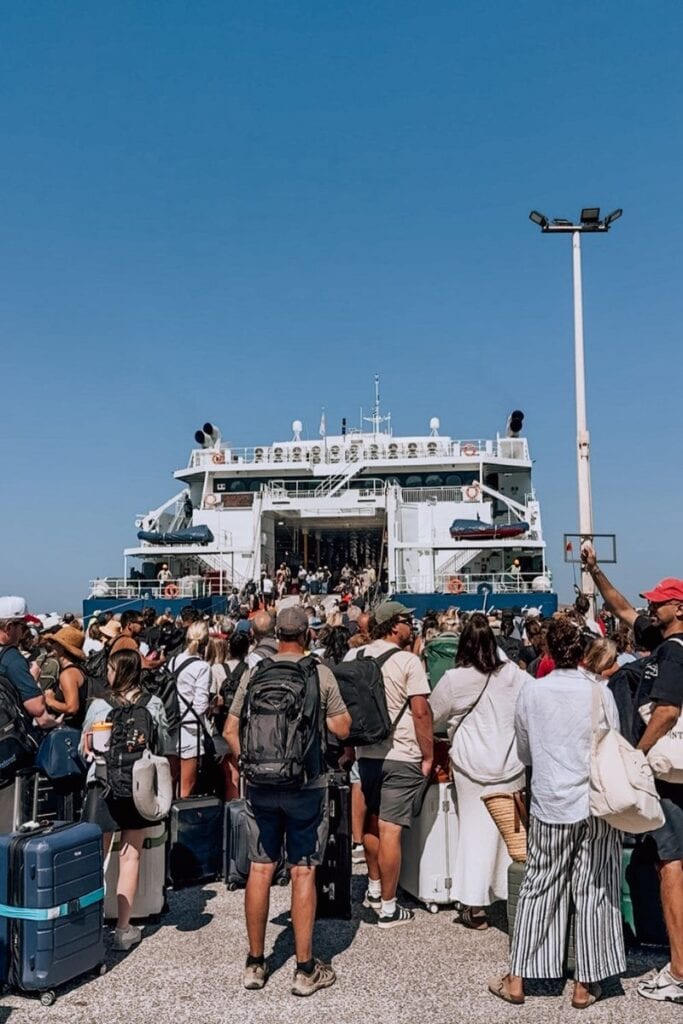
One often-overlooked factor in timing a Cyclades trip is the ferry network.
Smaller islands (Folegandros, Naxos, Milos) have reduced winter schedules with ferries often running only 3-4 times per week in November-March.
Peak season (July-August) offers daily connections between major islands, but at premium prices and often at full capacity (book early, my favourite to compare ferries and get the best deal is Omio!).
Ideal ferry timing: Late May through early October. You get frequent connections without the chaos and most islands maintain full seasonal services. June and September offer the sweet spot as ferries run daily or near-daily, prices are reasonable and you’re not competing with thousands of day-trippers.
📱Skip Roaming Fees in Greece!
🥇 Airalo eSIM – Most Reliable & Affordable
15% off for NEW Airalo users: BREATHINGTRAVEL15
10% off for ALL existing Airalo users: BREATHINGTRAVEL10
No more airport scams, spam texts or lost connections. Install before you fly, stay connected and enjoy hopping the Greek Islands worry-free!
The Cyclades by Season
Spring: Late April & May
Best for: Couples, budget travellers, photographers, hikers, culture enthusiasts
Not ideal for: Beach-focused holidays, guaranteed warm water swimming
Late spring in the Cyclades feels like stepping into the islands before the tourism machine fully activates. Accommodation prices are 30-40% lower than peak summer, restaurants are reopening with renewed energy and villages maintain their authentic rhythm.
Weather: Consistently warm and sunny (22-24°C), with occasional warm breezes. The sea is still cool (18-20°C), which matters if you’re a serious swimmer but is fine for wading and snorkelling with a wetsuit.
What’s open: Most hotels, restaurants and local businesses are operational by mid-May, but some beach clubs and seasonal establishments are still setting up. Ferry schedules are regular but not yet at peak frequency.
Crowds: Light to moderate. You’ll encounter other travellers but not the wall-to-wall density of summer. Villages remain genuinely walkable with little crowds.
Best islands in May: Paros (villages waking up, beaches accessible), Naxos (mountain villages offering cooler exploration), Milos (sea kayaking season), Folegandros (wildflowers, hiking, zero cruise ships).
My take: May is criminally underrated. If you’re not obsessed with daily beach swims and prefer meals without booking chaos, May is exceptional. It’s also ideal for island-hopping because you can move between islands without the logistics nightmare of July.
Early Summer: June
Best for: Everyone, especially first-time visitors, families, couples
June is the Goldilocks month. It’s warm enough for real beach days (the sea has warmed to 24-26°C), accommodation is fully open and reasonably priced, ferry connections are frequent and crowds haven’t yet reached the chaotic July peak.
Weather: Warm, mostly sunny, 26-30°C. June is drier than May, with minimal rain risk.
What’s open: Everything. Beach clubs are operating, restaurants are in full swing and all seasonal services are available.
Crowds: Moderate. Noticeable, but manageable. Popular sites have crowds, but villages and less-famous beaches remain peaceful.
Ferry scheduling: Daily connections between major islands, with multiple departures. Island-hopping is straightforward.
Best islands in June: Anywhere, honestly. All islands are fully operational and inviting. Santorini and Mykonos begin to feel busy, while Paros, Naxos, and Milos remain balanced. Quieter islands like Folegandros and Sifnos are perfect for avoiding the peak season rush while enjoying full amenities.
My take: If you can visit in June, do it. It offers the reliability of peak season with the breathability of shoulder season. This is when I’d personally choose to visit.
Mid-Summer: July & Early August
Best for: Travellers seeking peak energy, nightlife, beach clubs, maximum sunshine hours, guaranteed warm water temperatures (24-27°C)
Not ideal for: Budget-conscious travellers, anyone seeking peace or authenticity, spontaneous planners
July transforms the Cyclades into an international resort destination. The islands are running at maximum capacity. Ferries are packed, beaches are full by mid-morning and restaurant tables book weeks ahead.
Weather: Hot (30-35°C+), very sunny, minimal rain. The meltemi winds (northerly winds) can kick up, particularly in late July and August, making some beaches exposed and affecting ferry schedules.
What’s open: Everything at maximum energy. Beach clubs operate from 9am onwards, nightlife extends late into the morning, restaurants serve until midnight.
Crowds: Maximum. This is the busiest period. Islands like Santorini and Mykonos feel genuinely crowded, with visible strain on infrastructure. Smaller islands still feel less intense but definitely busy.
Costs: Peak pricing across all categories. Hotel rates are 2-3x shoulder season prices. Flights and ferries are similarly elevated.
Best islands in July: Mykonos (for nightlife), Santorini (for romance and sunsets), Paros (for the balance of scene and accessibility). Quieter islands become your escape from the absolute peak, but they’re still busy compared to other seasons.
My take: July has energy and reliability, but requires booking months ahead and accepting crowded conditions as the trade-off. Visit if the summer vibe appeals, but understand that you’re paying premium prices for less personal space and more logistics stress.
Late Summer: Late August & Early September
Best for: Beach lovers (sea is warmest now), photographers (golden light begins shifting), balanced travellers seeking both activity and relative calm
Not ideal for: Those sensitive to heat or crowds
This is the transition period. Late August is still summer intensity but early September begins the shift toward autumn ease.
Late August: Similar to early August, it’s hot, crowded, expensive, but slightly less manic than mid-July.
Early September: The crowds noticeably thin (schools reopen, summer holidays end), prices begin dropping and the light becomes exceptional. The sea remains perfectly warm. This is where the Cyclades start feeling enjoyable again while maintaining summer conditions.
Weather: Still hot (28-32°C), sunny and reliably dry. The meltemi winds may persist, particularly mid-August.
Crowds: High through late August, noticeably dropping in early September. Early September feels like the crowd brake is suddenly released, not quiet, but genuinely more breathable.
Best islands: Paros (you can read my full guide to the island here) and Naxos are ideal in early September (beaches are lovely but less chaotic), Milos becomes genuinely pleasant (fewer crowds, ongoing beach club scene), Folegandros emerges as fully lovely without the July isolation.
My take: If you must visit in peak summer, shoot for last August or early September. You capture warm-water beach bliss while the crowds disperse and island life becomes more genuine.
Autumn: Late September & October
Best for: Photographers, cultural explorers, beach lovers (water still warm), budget-conscious travellers, anyone seeking authentic Cycladic life
Not ideal for: Guarantee-seekers (weather becomes variable), those dependent on specific seasonal venues
September-October is secretly one of the best times to visit the Cyclades. The sea remains warm from the summer heat, skies are brilliantly clear (often better light than summer), prices drop significantly and the islands transition back toward their own rhythm.
Late September: Warm, clear, fewer crowds, some autumn wind patterns emerging. The transition is gentle.
October: Increasingly variable. Early October can be nearly as good as late September but late October becomes quite a bit cooler (19-22°C), windier and some seasonal venues close (depending on island some do about 4 weeks earlier already). Weather is less predictable (occasional rain increases), but when the sun shines, the light is spectacular.
What’s open: Most establishments on the popular islands remain open through October, though some beach clubs and seasonal restaurants close late September to mid-October. Main hotels, ferries and core services operate regularly.
Crowds: Light to moderate. This is the sweet spot for space without the sense of visiting a ghost town.
Best islands: All of them. October rewards slow travellers, you can linger in villages, book restaurants same-day and explore without time pressure.
My take: Late September is still a nice time to visit the Cyclades. The sea is cooler but still swimmable, the light is gorgeous, crowds are minimal, prices are reasonable and the islands feel like themselves again rather than tourist destinations.
The Cyclades Month-by-Month
April
Not quite ready. Most accommodation is closed, ferries operate limited schedules and while the weather is pleasant (20-24°C), the sea is cold (16-18°C). Better to wait for May.
May
Excellent. Warm, sunny, light crowds, reasonable prices, full accommodation availability, villages feel authentic. The sea is cool but swimmable. Ideal for non-beach-obsessed travellers.
Why visit: Wildflowers, affordable rates, genuine local atmosphere, manageable crowds, excellent hiking weather.
Why skip: If daily swimming is non-negotiable, the water temperature (18-20°C) might disappoint.
June
Perfect. Warm (26-30°C), sea is swimmable (22-24°C), accommodation fully open, crowds manageable, pricing reasonable. This is the month where everything aligns.
Why visit: Combines reliable summer weather with shoulder-season breathing room. The best all-around month for most travellers.
Why skip: Early June can still have occasional rainy days; late June begins the price creep toward July.
July
High intensity. Hot (30-35°C), sea warm (25-27°C), everything open and busy, prices peak. Choose this if you want guaranteed summer energy and don’t mind crowds.
Why visit: Peak summer, maximum sunshine hours, sea perfectly warm, full nightlife and beach clubs, reliable weather.
Why skip: Prices are highest, crowds are intense, spontaneous planning is impossible, the atmosphere is more “resort” than “authentic island”.
August
Peak summer intensity. Same as July but slightly more expensive. The meltemi winds intensify in late August, occasionally affecting ferry schedules. This is the busiest month.
Why visit: Warm water, long daylight, full slate of summer activities, reliable weather.
Why skip: Highest prices of the year, most crowded, often described as “too much”/
September
Transition month with September-like rewards. Early September is still warm and summery (28-32°C) but crowds noticeably thinner. Late September begins cooling slightly, but the sea remains bathwater-warm.
Why visit: Post-summer breathing room while maintaining summer conditions. Best balance of sea temperature, light and crowd levels.
Why skip: Late September begins weather variability; depending on island, some venues begin closing mid-September.
October
Variable but often excellent. Early October can rival late September; late October becomes unreliable (19-22°C, occasional rain). Many seasonal establishments close mid-month.
Why visit: Light is exceptional, crowds minimal, prices low, sea still swimmable (until mid-month).
Why skip: Weather variability, increasing number of closures, sea temperature drops significantly by late October.
November-March
Low season. Most accommodation is closed, ferries run limited schedules, weather is cool (12-16°C) and rainy. The Cyclades shift to their winter rhythm that’s quieter, more local, but challenging for typical tourism.
Why visit: Extreme budget pricing, no crowds, authentic local atmosphere, winter winds create dramatic light (photographers’ favourite).
Why skip: Much of the infrastructure is closed, ferry connections are limited, weather is unreliable, sea is cold.
Weather Comparison: What to Expect
| Month | Temperature | Water Temp | Rainfall | Wind | Crowds |
|---|---|---|---|---|---|
| May | 22-26°C | 18-20°C | Low | Moderate | Low-Moderate |
| June | 26-30°C | 22-24°C | Minimal | Moderate | Moderate |
| July | 30-35°C | 25-27°C | None | Occasional | Very High |
| August | 31-35°C | 24-27°C | None | High | Peak |
| September | 24-28°C | 26-24°C | Minimal-Low | Moderate | Moderate-Low |
| October | 19-22°C | 22-19°C | Increasing | Moderate-High | Low |
Choosing Your Islands by Season
Not all islands suit all seasons equally:
For June: All islands work equally well. No poor choices.
For May: Favour islands with cultural attractions (Paros, Naxos) and hiking (Milos, Folegandros) over beach-dependent activities.
For July-August: Larger islands (Santorini, Mykonos, Paros) handle crowds better than smaller islands. If seeking peace, head to quieter options like Naxos or Milos. Avoid Folegandros in peak summer (accommodation becomes impossibly tight due to low variety).
For September-October: All islands are ideal. This is when smaller, quieter islands like Folegandros, Kythnos, and Serifos become genuinely accessible without feeling isolated.
Planning a Trip to Greece? These Are My Favourite Travel Tools!
🏨 Book Your Hotel: I love Booking.com for the largest selection of hotels, villas and boutique stays across Greece with flexible cancellation.
🚗 Rent a Car For Island & Mainland Travel: Use DiscoverCars to compare rental prices. It’s often the cheapest way to explore the islands.
✈️ Book Your Flight: I recommend using Skyscanner to compare flight prices across airlines and dates to find the best deals to Greece.
🎟️ Book Your Tours & Activities: Check Get Your Guide and Viator for popular activities, day trips and skip-the-line tickets across Greece.
💳 Avoid Bank Fees Abroad: A Wise account lets you pay and withdraw in Euros at the real exchange rate without hidden bank mark-ups.
📱 Get Mobile Data Instantly: Getting an eSIM from Airalo to stay connected in Greece without expensive roaming charges.
🛡️ Get Travel Insurance: I recommend SafetyWing for medical coverage, cancellations and theft.
FAQs: Best Time to Visit the Cyclades
When is the absolute best month to visit the Cyclades?
June or early September. June offers full summer warmth with manageable crowds; September offers warm seas and cooling crowds. Both have excellent weather and far better value than July-August.
Is the sea warm enough to swim in May?
Technically yes, but it’s cool (18-20°C). If you’re accustomed to warm Caribbean water, May’s sea will feel chilly. Europeans often find it fine; others prefer a wetsuit. By late May, it’s improving toward 20-22°C.
Can you island-hop in summer (July-August)?
Yes, of course. Note that ferry schedules are frequent, but capacity is limited and demand is high. Book ferries and accommodation well ahead. Early-morning ferries offer your best chance for reliable connections.
Is September too late to visit?
Absolutely not. Early September is excellent (warm sea, cooling crowds, still full services). Late September becomes quieter and some venues close, but it’s still a solid choice.
What’s the absolute worst time to visit the Cyclades?
Mid-July through late August if you dislike crowds, high prices and logistics stress. That said, if you want maximum energy and guaranteed heat, this is ideal. It’s the “worst” only if your priorities don’t align with peak-season tourism.
Is May a good time for island-hopping?
Excellent. Ferry schedules are regular, crowds are light, and the islands feel genuine. You’re not racing between sites or dealing with overcrowded ferries.
Which island is best to visit each month?
- May: Paros (reopening charm), Naxos (villages & cooler elevation)
- June: All islands equally good
- July: Mykonos, Santorini (embrace the lively vibe)
- August: Quieter alternatives (Milos, Folegandros, Naxos)
- September: All islands, especially quieter options
- October: Larger islands that are too busy in peak season
Should I visit in October?
Yes, if you’re flexible with weather. Early October is beautiful; late October can be hit and miss. If you want guaranteed sunshine, skip October. If you can adapt to occasional rain and appreciate dramatic skies, October rewards you with empty villages and exceptional light.
Getting Around the Cyclades: Ferry Timing by Season
Ferry schedules vary dramatically by season:
May-October: Regular daily connections between major islands (Paros, Naxos, Santorini, Mykonos). Smaller islands (Folegandros, Milos, Kythnos) have daily or near-daily service.
July-August: Maximum frequency but also maximum crowding. Book ferries in advance, the popular routes do fill quickly.
June & September: Daily connections without the July chaos. The ideal window for frequent, reliable, uncrowded ferry travel.
April & November: Reduced schedules; ferries run 3-5 times weekly on popular routes.
December-March: Severely limited schedules; some islands (particularly smaller ones) have only 2-3 ferries weekly.
For detailed, up-to-date ferry information, check Blue Star Ferries or SeaJets websites (the two largest operators) 3-4 weeks before your trip. I still like to compare and book on Omio as they usually have the best deals!
Final Thoughts: What “Best” Actually Means

There is no objectively “best” time to visit the Cyclades, it’s only the best time for your specific priorities and trip!
- If you value heat, nightlife, beach clubs, and maximum-energy island life: July-August (accept the crowds and costs).
- If you value warmth, reasonable prices, open services, and manageable crowds: June or early September.
- If you value authenticity, photography, solitude, and dramatic light: May, late September, or October (accept weather variability).
- If you value affordability and genuine local culture: November-April (accept closures and weather uncertainty).
The Cyclades are exceptional across multiple seasons and the season you visit should match your travel personality, not arbitrary notions of “best”. Plan around your own priorities, not someone else’s calendar.
And lastly, if you want to stay connected during your trip to Greece without paying roaming fees, check out my Greece eSIM guide here.
Please note, this post may contain affiliate links, which means that – at absolutely no cost to you – we earn a small commission on sales generated through this website. We only recommend sites we actually use and thank you for your support!